Noise and Interference
Noise and Interference
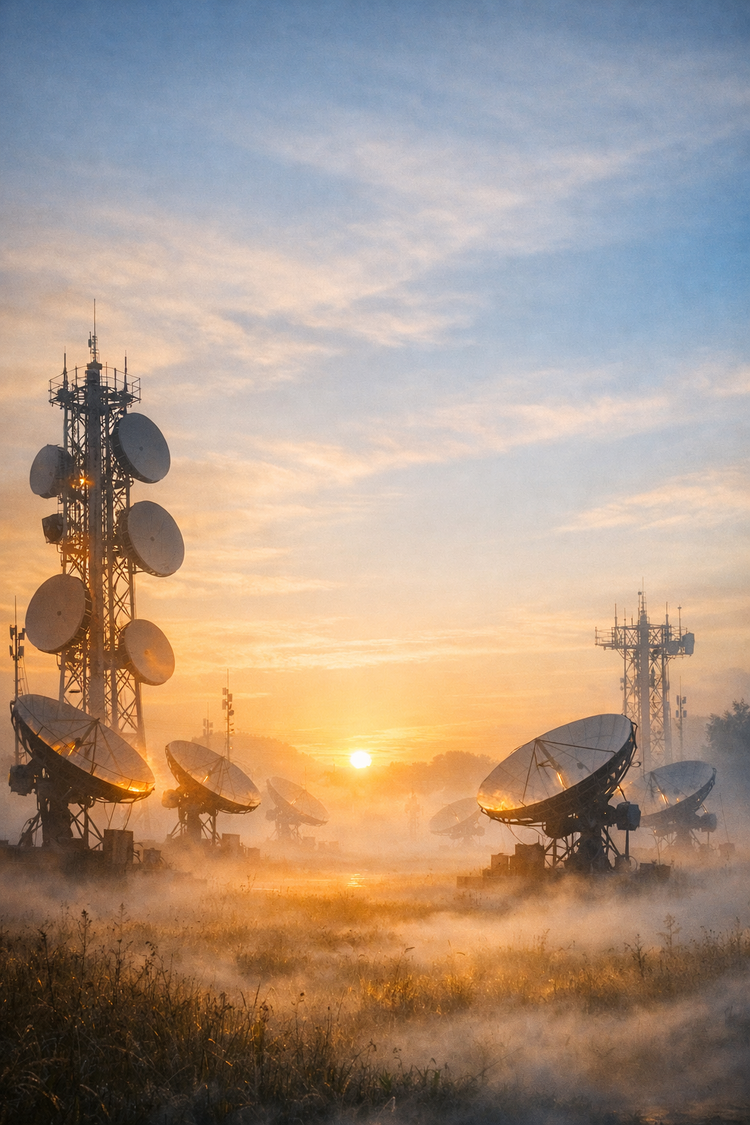
How distortion enters the mind and bends perception.
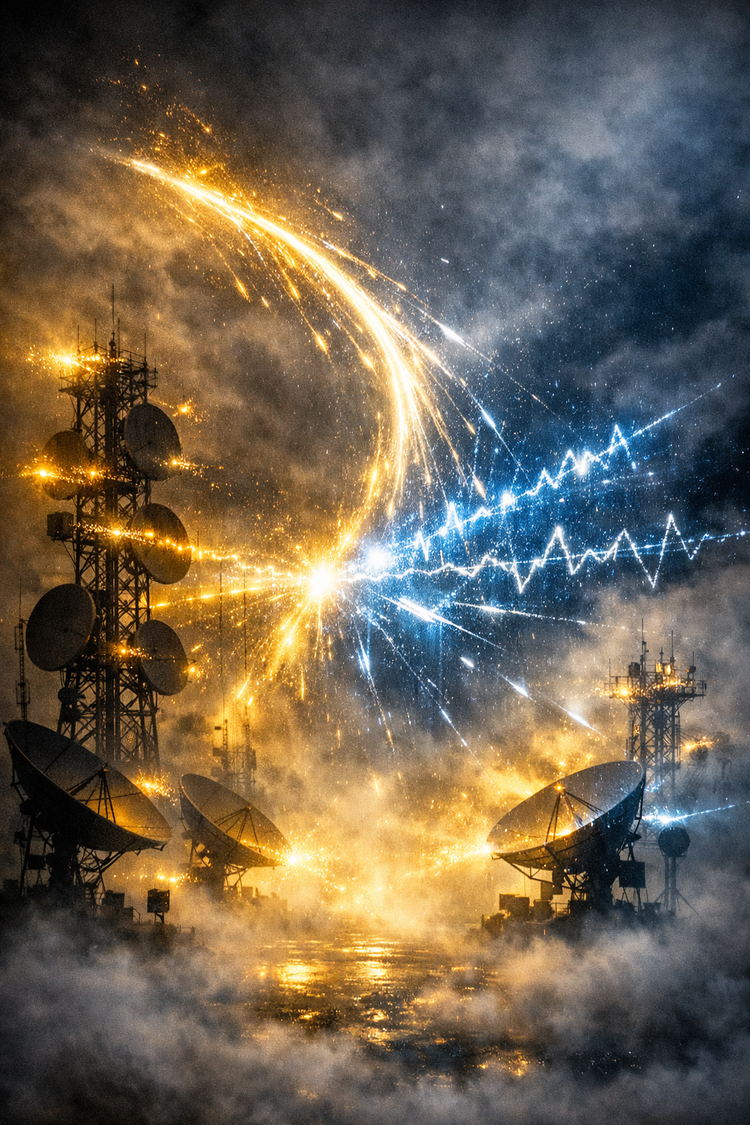
Noise is not the absence of signal — it is the presence of distortion. It is the intrusion that bends perception, the subtle interference that turns clarity fragile. Noise enters through attention, through emotion, through the mind’s unguarded thresholds. And once inside, it reshapes what we believe we are seeing.
Noise is the oldest adversary of perception. Not an enemy in the moral sense — but an environmental force, a pressure, a turbulence in the field of awareness. Where signal arrives as direction, noise arrives as drift. Signal says: this way. Noise says: everywhere at once.
1. The Nature of Noise
Noise is not random. It has patterns, tendencies, predictable modes of intrusion. There are three primary forms:
Sensory Noise — the overload of stimuli: brightness, motion, chatter, alerts, the world pressing too loudly against the senses.
Cognitive Noise — the mind’s own turbulence: rumination, anticipation, unresolved emotion.
Social Noise — interference generated by other minds: opinions, expectations, projections.
Noise is not chaos. Noise is misalignment.
2. Interference: When Noise Gains Direction
Noise becomes interference when it acquires vector — when it begins to push perception in a specific direction. Interference is noise with structure. It imitates signal. It competes with signal. It bends signal.
Fear, desire, bias, social pressure — these forces give noise direction. Interference is the moment distortion becomes persuasive.
3. The Fragility of Clarity
Clarity is not a natural state. It is an achievement. Signal arrives clean, but the mind that receives it is rarely still.
Clarity requires attention, discipline, emotional neutrality, perceptual honesty. Most people do not lose clarity because they lack intelligence — they lose it because they lack quiet.
4. How Noise Enters the System
Noise exploits openings:
Emotional openings — fear, desire, insecurity, excitement.
Cognitive openings — unfinished thoughts, unresolved conflicts.
Social openings — the need for approval, belonging, validation.
Noise does not need permission. It only needs access.
5. The Cost of Interference
Interference does not merely distort perception — it distorts identity. When noise becomes the dominant input, we mistake reaction for intuition, emotion for insight, consensus for truth.
A noisy mind cannot distinguish what is real, imagined, projected, inherited, or desired.
6. The Discipline of Reducing Noise
Noise cannot be eliminated — but it can be reduced. The discipline is simple, but not easy:
Reduce sensory load — fewer inputs, fewer channels.
Stabilise the internal field — breath, stillness, integration.
Strengthen perceptual boundaries — not every signal is for you.
Reclaim attention — where attention goes, noise follows.
7. The Return to Clarity
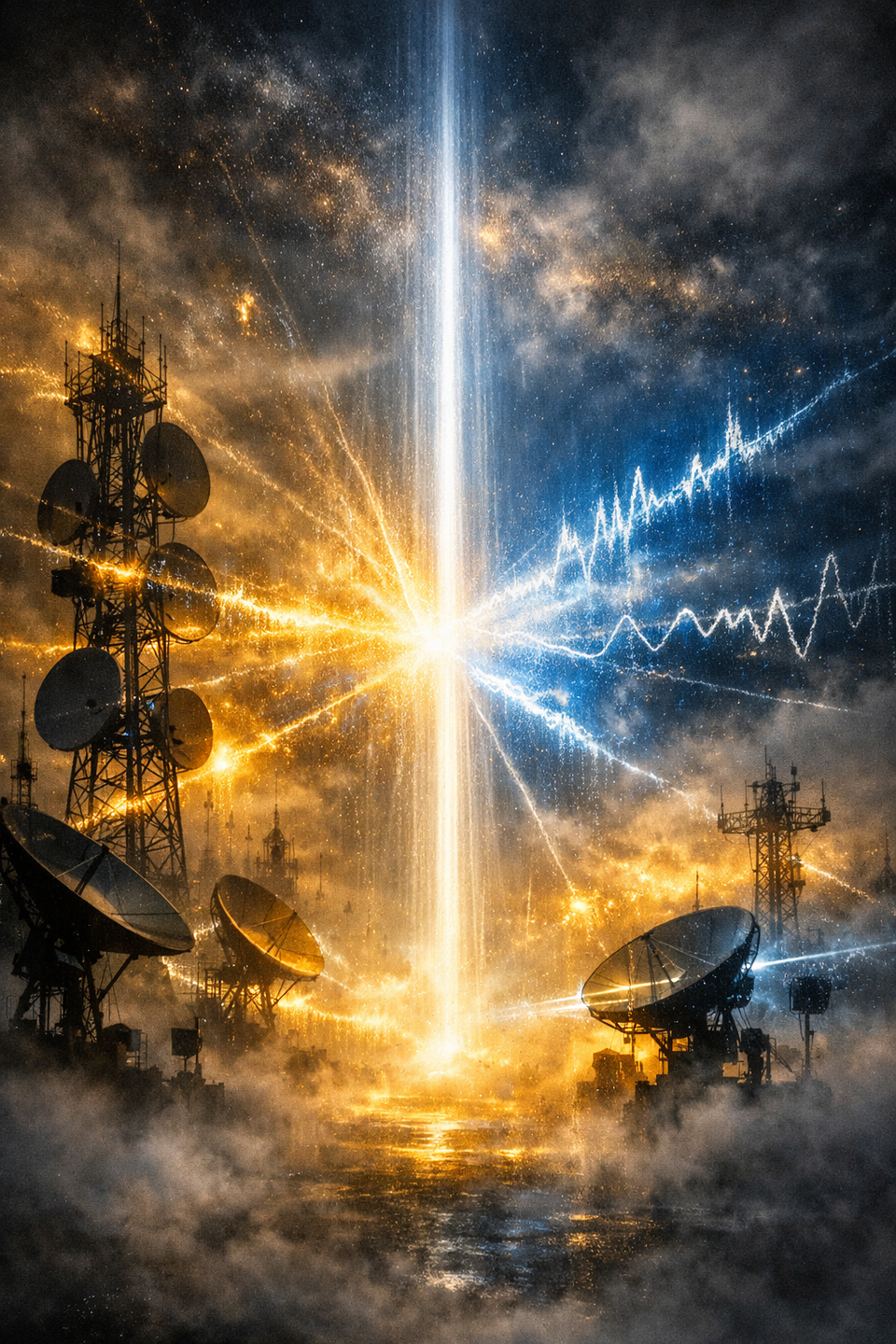
Clarity is not the absence of distortion — it is the ability to see distortion without being ruled by it. Noise will always exist. Interference will always attempt to bend perception.
Sovereignty begins the moment you can say: This is noise. This is not me. This is not signal.