False Patterns: The Mind’s Favorite Illusions
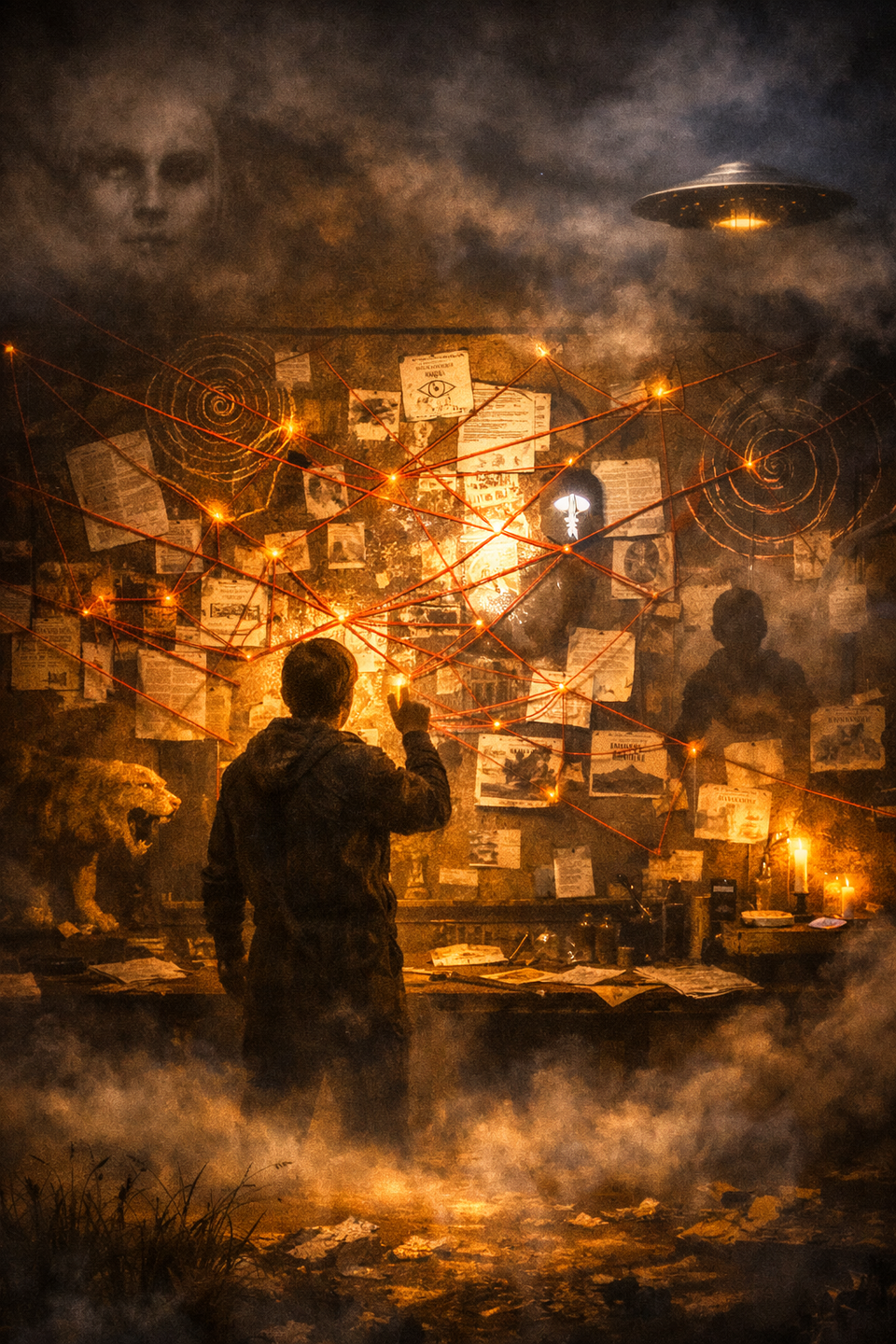
Summary: Overfitting, superstition, paranoia. How intelligence and delusion share the same machinery.
False Patterns: The Mind’s Favorite Illusions
How intelligence becomes superstition.
The mind is brilliant, but it is also overeager. It would rather see a pattern than accept uncertainty. This tendency — called overfitting — is responsible for superstition, paranoia, magical thinking, and many of the world’s most persistent illusions.
The seduction of structure
Randomness is uncomfortable. The mind prefers stories with cause and effect. When confronted with noise, it invents meaning. When confronted with coincidence, it constructs intention.
Overfitting as a psychological reflex
Overfitting is not stupidity. It is the mind’s attempt to reduce uncertainty. When the world feels unpredictable, the mind compensates by creating patterns where none exist.
When intelligence becomes delusion
The more intelligent the mind, the more elaborate the illusions it can construct. Intelligence does not protect against false patterns — it enhances them.
The danger of seeing too much
False patterns are comforting. They offer certainty in a world that refuses to be simple. But comfort is not clarity. The sovereign mind must learn to distinguish structure from projection.