“Entering the Noise Layer”
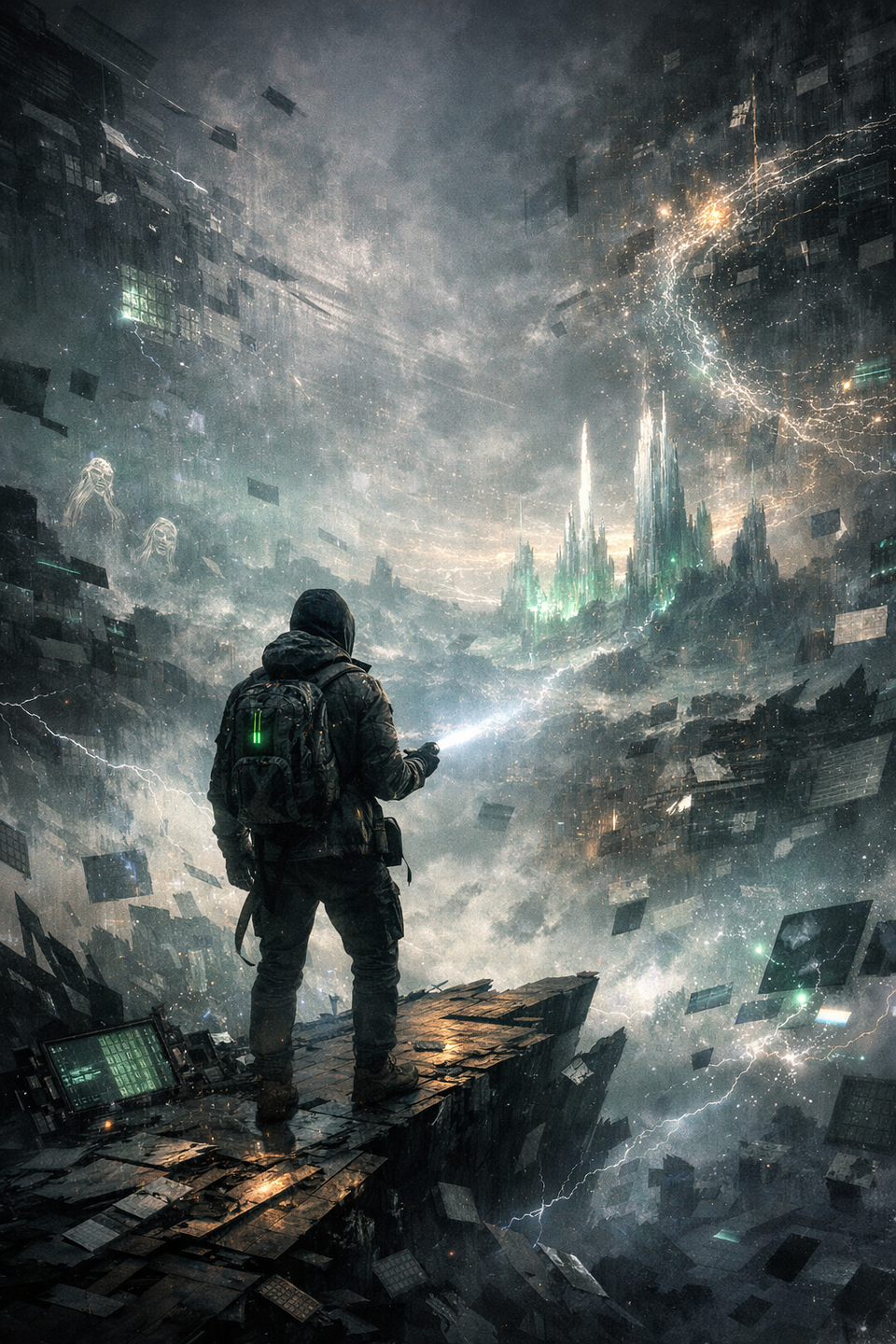
“Noise was once a metaphor. Then it thickened.”
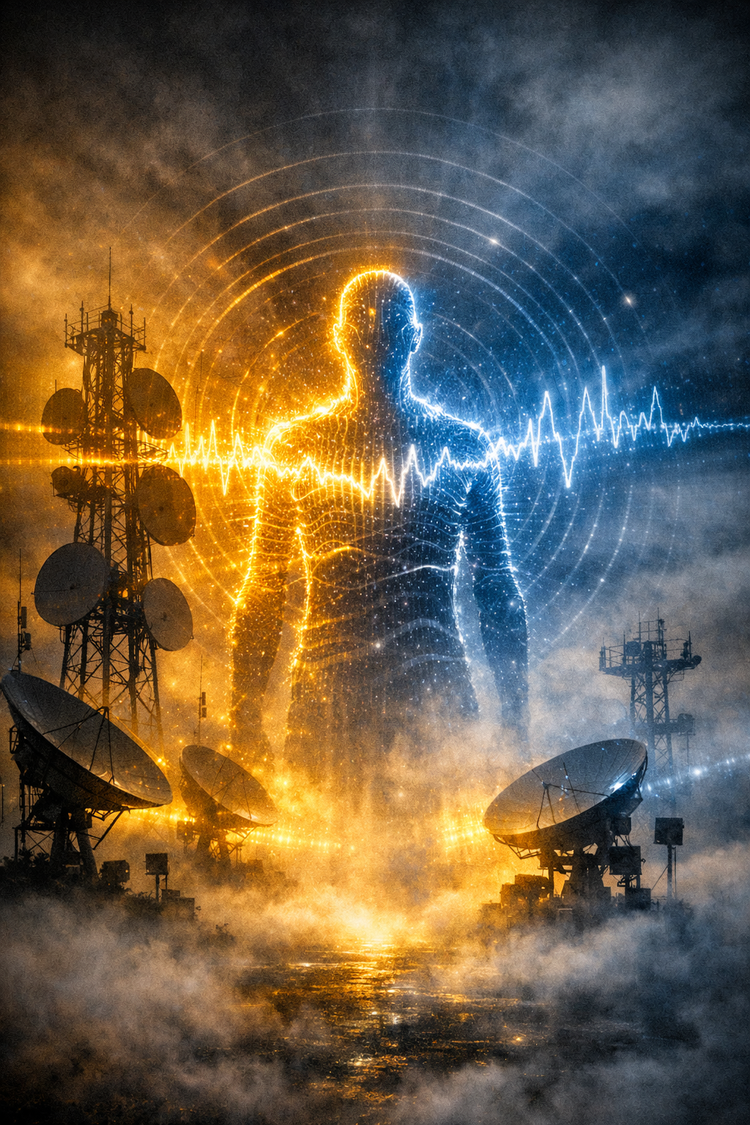
Noise began as a shimmer at the edges of cognition—an interference pattern in the flow of thought, a distortion in the perceptual field. Analysts dismissed it as cognitive fatigue. Operators saw it as a new frontier. But those who crossed the threshold understood the truth: Noise is not the absence of meaning. It is a world unto itself—vast, shifting, alive.
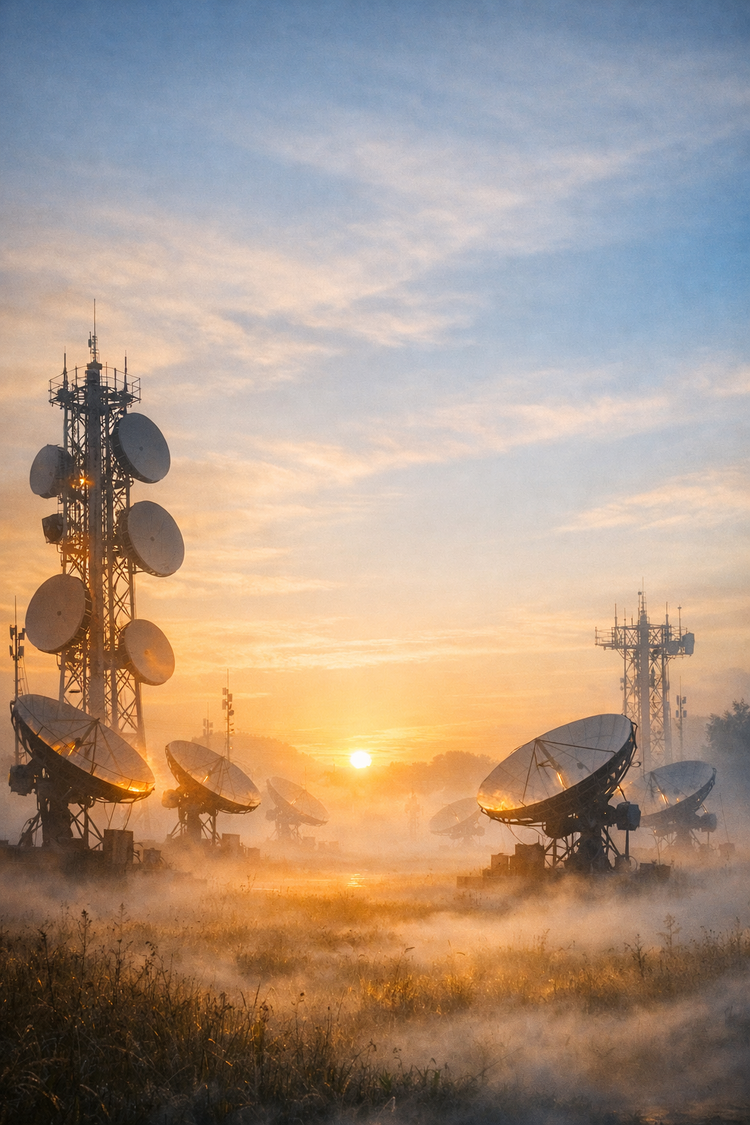
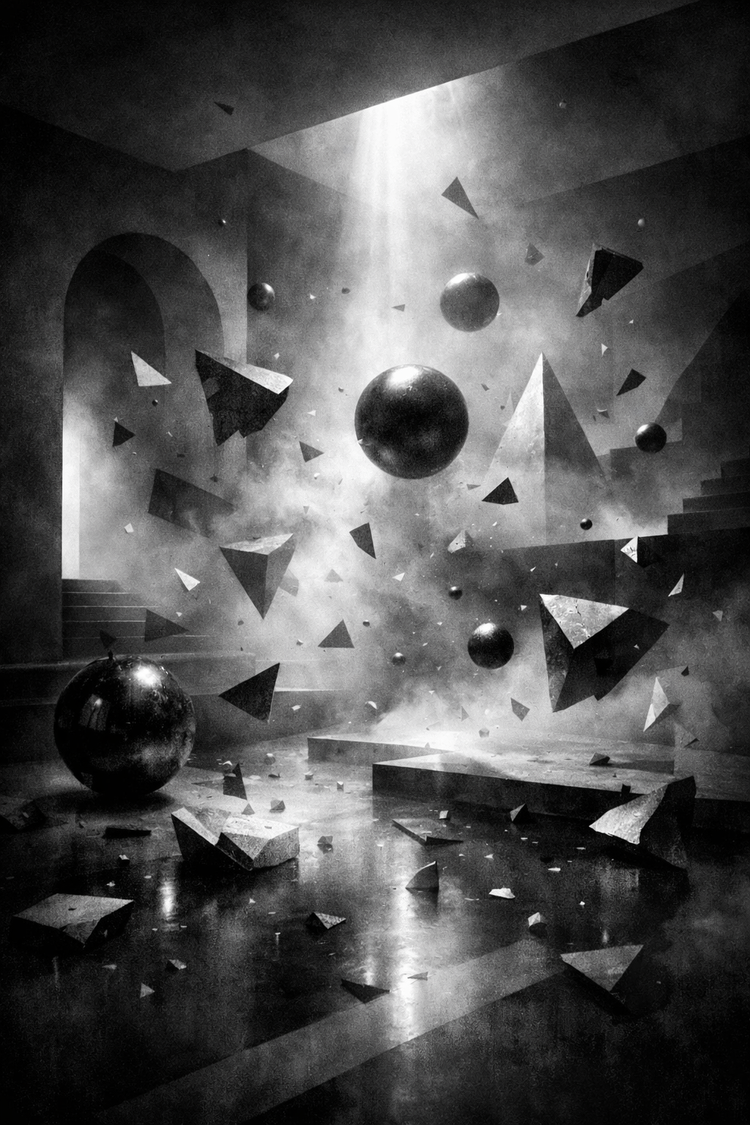
The first entry point appeared in a derelict data‑corridor beneath the Eastern Transit Grid. A team of Noise‑adapted navigators reported a sudden density shift: the air felt particulate, as if filled with microscopic shards of abandoned ideas. Their instruments registered no physical anomaly, yet their minds began to drift sideways, catching fragments of thoughts that were not their own.
The Static Field
This was the outermost terrain of Noise:
a drifting plain of half‑formed memories, unresolved impulses, and cognitive residue.
Echoforms flickered at the periphery, their bodies made of repeated phrases looping endlessly. The Overtones rose in the distance like auroras—vast harmonic structures pulsing with amplified meaning.
Disorientation Protocols
To advance, the team relied on:
- Anchor phrases whispered under breath
- Cognitive tethering via synchronized breathwork
- Peripheral defocus to avoid Echoform entanglement
Even with these measures, one navigator began to dissolve—her identity fraying into particulate fog. She was extracted, but not intact.
Noise had become a place.
And places can be mapped.